
Have you ever dreamed of owning a car? Maybe a cool Toyota? Cars can be awesome. But some cars have more problems than others. It’s good to know which ones might need more fixing. This helps you make a smart choice. Today, we will explore the least reliable Toyota models explained.
Toyota is known for making good cars. But even Toyotas can have issues. Which models should you watch out for? Let’s find out together. We will look at what makes a car less reliable. This will help you pick a great car.
Key Takeaways
- Knowing the least reliable Toyota models explained helps you avoid costly repairs.
- Older Toyota models sometimes have more problems than newer ones.
- Check online reviews and owner reports before buying any used car.
- Regular maintenance can improve the reliability of any Toyota model.
- Some common Toyota issues include transmission and electrical problems.
Exploring Least Reliable Toyota Models Explained

When we talk about the least reliable Toyota models explained, we’re looking at cars that often need more repairs. These models might have common problems that many owners face. It is not fun to constantly fix your car. No one wants to spend all their time at the repair shop. Understanding which models have these issues can save you money and stress. You can avoid buying a car that will cause you headaches later. It is important to do your research before you buy any car. Look at what other owners say about their experiences. That way, you can make an informed decision. You want a car that will last a long time. You want a car you can depend on.
- Older models may have more wear and tear.
- Some models have known transmission issues.
- Electrical problems can affect reliability.
- Check for recalls before buying a used car.
- Rust can be a problem in older vehicles.
It is important to remember that even the least reliable Toyota models explained can still be decent cars. Regular maintenance is key. Taking good care of your car can help prevent problems. Make sure to get regular oil changes. Check your tires and brakes often. Address any small issues before they become big problems. A well-maintained car will last longer. It will also be more reliable. Don’t let a few common problems scare you away from a Toyota. Just be aware of the potential issues. Do your homework, and you can find a great car that fits your needs. Buying a car is a big decision. Take your time and choose wisely.
Fun Fact or Stat: Did you know that the Toyota Tercel from the 1980s sometimes had rust issues, making it less reliable in some areas?
What Common Problems Do They Face?
What kinds of problems do these less reliable Toyotas face? Well, some common issues include transmission problems. The transmission helps your car shift gears. If it breaks down, your car won’t move. Electrical problems are another big issue. These can cause all sorts of problems, from lights not working to the engine not starting. Some older models might have rust problems. Rust can weaken the car’s frame and body. This can make the car unsafe to drive. It is also important to check for recalls. A recall means the car company found a problem and will fix it for free. Knowing about these common problems can help you spot them before they become too serious. So, always do your research.
How Does Age Affect Reliability?
Think about your toys. Do your older toys work as well as your newer ones? Probably not. Cars are similar. As cars get older, parts wear out. Hoses can crack. Belts can break. Engines can start to lose power. Older cars also might not have the latest safety features. This can make them less safe in an accident. Age is a big factor in reliability. Newer cars usually have fewer problems. They also have more advanced technology. But that does not mean older cars are all bad. Some older cars are very well-built. They can last a long time with proper care. However, you should expect to do more maintenance on an older car. So, age does matter when it comes to reliability.
Are Some Years Worse Than Others?
Have you ever heard someone say, “That was a bad year for movies?” Well, sometimes car companies have bad years too. They might use cheaper parts. They might have problems with the design. This can lead to more problems for car owners. It is a good idea to research specific years of a car model. See what other owners say about those years. Some years might have more complaints than others. This can help you avoid a car that is known to have problems. It is not always the model that matters. Sometimes it’s the year it was made. So, do your research on specific years of Toyota models.
Digging into Specific Problem Areas
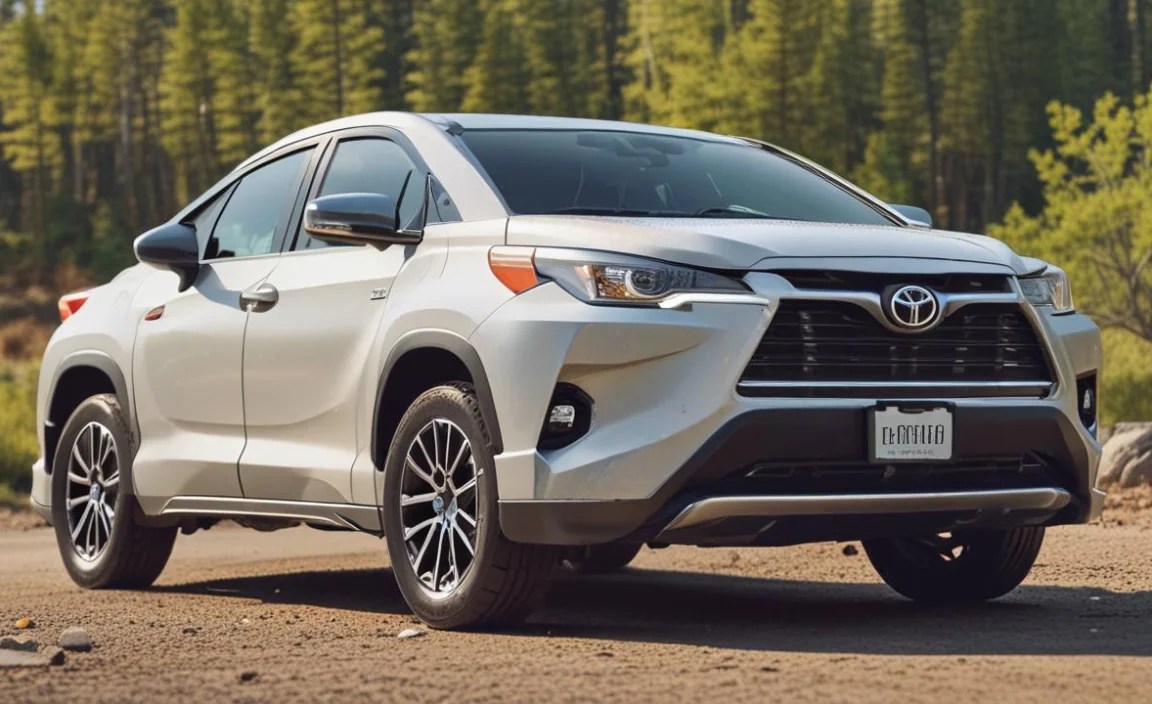
Now, let’s dig deeper into specific problem areas. What parts of the car tend to cause the most trouble? Transmissions are a big one. A bad transmission can mean expensive repairs. Electrical systems can also be tricky. Wires can break, and sensors can fail. This can lead to all sorts of weird problems. Engines can also have issues. They might burn oil or have trouble starting. Suspension problems can make the ride bumpy. These are just a few of the areas that can affect a car’s reliability. Knowing these common problem areas can help you inspect a car before you buy it. You can look for signs of trouble and avoid a lemon. A “lemon” is a car that has a lot of problems.
- Check the transmission for smooth shifting.
- Look for any signs of electrical problems.
- Listen to the engine for unusual noises.
- Inspect the suspension for wear and tear.
- Check for leaks under the car.
- Test all the car’s features before buying.
It is important to understand that not every car will have these problems. Some cars are built better than others. Some owners take better care of their cars. But knowing about these potential issues can help you be prepared. If you’re buying a used car, have a mechanic inspect it. A mechanic can spot problems that you might miss. This can save you money in the long run. Don’t be afraid to ask questions. Ask the seller about the car’s history. Ask if it has had any major repairs. The more you know, the better decision you can make. A little research can go a long way. Always be careful when buying a used car.
Fun Fact or Stat: Early Toyota Camry models sometimes had issues with the automatic transmission slipping, especially in older versions.
Are Transmission Problems Common?
Imagine trying to ride your bike, but the gears keep slipping. That’s what it’s like when a car has transmission problems. The transmission is what helps the car shift gears. If it’s not working right, the car might not shift smoothly. It might even get stuck in one gear. Transmission problems can be expensive to fix. Sometimes, you even have to replace the whole transmission. Are transmission problems common in some Toyota models? Yes, they can be. Some older models have had more reports of transmission issues. That’s why it’s important to check the transmission before you buy a used car. Look for smooth shifting and no strange noises.
What About Electrical Issues?
Think about all the things in your house that use electricity. Lights, TVs, computers – they all need electricity to work. Cars are the same way. They have lots of electrical systems. These systems control everything from the headlights to the engine. If there’s an electrical problem, all sorts of things can go wrong. The lights might not work. The engine might not start. The car might even shut off while you’re driving. Electrical issues can be hard to diagnose. They can also be expensive to fix. Some Toyota models have had more reports of electrical problems than others. So, it’s important to check the electrical systems before you buy a used car.
Do Engines Have Recurring Problems?
The engine is the heart of your car. It’s what makes the car move. If the engine has problems, the car won’t run very well. Some engines might burn oil. This means you have to add oil more often. Other engines might have trouble starting. They might make strange noises. Engine problems can be serious. They can lead to expensive repairs. Do some Toyota engines have recurring problems? Yes, some do. Some older engines are known for burning oil. Others have had issues with the timing belt. It’s important to research the engine before you buy a used car. Make sure it’s a reliable engine that won’t give you too many problems.
Comparing Model Years and Reliability

When looking at the least reliable Toyota models explained, comparing model years is key. A car’s reliability can change from year to year. Sometimes, a car company makes improvements. They fix problems from previous years. Other times, they might introduce new problems. That’s why it’s important to research specific model years. Look at reviews and owner reports. See what people are saying about different years of the same model. You might find that one year is much more reliable than another. This information can help you make a smart decision. You can choose a car that is known to be dependable. Avoid the years that have a lot of complaints.
- Research specific model years online.
- Read owner reviews and reports.
- Look for common problems in certain years.
- Compare reliability ratings from different sources.
- Check for recalls related to specific years.
- Consider the car’s history and maintenance records.
It is crucial to remember that past performance is not always a guarantee of future results. Just because a car was reliable in the past does not mean it will be reliable forever. Things can change. Parts can wear out. New problems can develop. But looking at past reliability can give you a good idea of what to expect. It can help you make a more informed decision. Don’t rely solely on one source of information. Get information from multiple sources. Talk to mechanics. Read online forums. The more information you have, the better. Buying a car is a big investment. Take your time and do your research.
Fun Fact or Stat: The Toyota Corolla, while generally reliable, had some model years in the early 2000s with more reported engine issues than others.
How Do You Find Reliability Ratings?
Where can you find information about car reliability? There are several websites that offer reliability ratings. These websites collect data from car owners. They track problems and repairs. They then use this data to create ratings. These ratings can help you compare different cars. They can also help you see how reliable a car is likely to be. Some popular websites for reliability ratings include Consumer Reports and J.D. Power. You can also find information on car forums. Car owners often share their experiences on these forums. This can give you a real-world perspective on a car’s reliability. So, use these resources to find the information you need.
What Do Owners Say About Different Years?
What do people who actually own these cars say? That’s a great question! Owner reviews can be very helpful. They give you a firsthand account of what it’s like to own a particular car. Owners often talk about the problems they’ve had. They also talk about the things they like about the car. You can find owner reviews on websites like Edmunds and Kelley Blue Book. You can also find them on car forums. When reading owner reviews, look for patterns. Do several owners report the same problem? If so, that might be a sign that the problem is common. Owner reviews can give you valuable insights into a car’s reliability.
How Can Recalls Affect Your Choice?
Imagine your favorite toy got recalled. That means the company found a problem with it and wants to fix it. Car recalls are similar. A car recall means the car company found a safety problem. They will fix the problem for free. Recalls are important to pay attention to. They can affect your choice when buying a used car. If a car has a lot of recalls, that might be a sign that it’s not very reliable. You can check for recalls on the National Highway Traffic Safety Administration (NHTSA) website. Just enter the car’s VIN (Vehicle Identification Number). This will tell you if there are any open recalls. Recalls can help you make a safer choice.
Maintenance and Its Impact on Reliability

Even the least reliable Toyota models explained can last longer with good care. Think of your bike. If you never oil the chain, it will rust. If you never pump up the tires, it will be hard to ride. Cars are the same way. Regular maintenance is key to keeping a car running well. This includes things like oil changes, tune-ups, and tire rotations. Following the maintenance schedule in your owner’s manual can help prevent problems. It can also help you catch problems early. This can save you money in the long run. A well-maintained car will be more reliable. It will also last longer. So, take good care of your car.
- Follow the maintenance schedule in your owner’s manual.
- Get regular oil changes.
- Check your tires and brakes often.
- Keep your car clean.
- Address any small problems before they become big ones.
- Find a good mechanic you can trust.
It is crucial to remember that maintenance is not a one-time thing. It’s an ongoing process. You need to keep up with it. Don’t wait until something breaks to take your car to the mechanic. Regular checkups can help prevent problems. They can also help you identify potential issues before they become serious. A little bit of maintenance can go a long way. It can save you money and headaches in the long run. So, make maintenance a priority. Your car will thank you for it. A well-maintained car is a happy car. And a happy car is a reliable car.
Fun Fact or Stat: Regular oil changes can extend the life of your engine by thousands of miles!
Why Are Oil Changes Important?
Think about cooking. If you don’t clean your pan, it will get all greasy and burnt. Your engine is similar. Oil helps keep the engine clean and lubricated. Over time, the oil gets dirty. It can also break down. This can cause the engine to overheat. It can also cause parts to wear out faster. Regular oil changes remove the old, dirty oil. They replace it with fresh, clean oil. This helps keep the engine running smoothly. It also helps extend the life of the engine. That’s why oil changes are so important. They’re a simple way to keep your car running well.
What Does a Tune-Up Involve?
Have you ever tuned a guitar? You tighten the strings to make the notes sound right. A car tune-up is similar. It involves checking and adjusting various parts of the engine. This can include things like spark plugs, air filters, and fuel injectors. A tune-up helps the engine run more efficiently. It can also improve gas mileage. It can also help prevent problems. A tune-up is like a checkup for your car. It helps keep everything running smoothly. So, don’t forget to schedule regular tune-ups for your car.
How Do Tires Affect Reliability?
Imagine trying to run a race with flat tires. It would be really hard! Tires are important for your car’s safety and reliability. Properly inflated tires provide better traction. This helps you stop and steer more easily. Worn tires can be dangerous. They can also affect your gas mileage. Regular tire rotations can help them wear evenly. It’s also important to check the tire pressure regularly. Make sure your tires are in good condition. This will help keep you safe on the road. It will also help your car run more efficiently. So, take care of your tires.
The Role of Driving Habits

How you drive can affect how long your car lasts. Do you drive like you’re in a race? Or do you drive carefully and smoothly? Aggressive driving can put extra stress on your car’s engine, brakes, and tires. This can lead to more wear and tear. It can also lead to more repairs. Driving carefully and smoothly can help your car last longer. It can also help you save money on gas. So, be a careful driver. Treat your car with respect. It will thank you for it. Even the least reliable Toyota models explained will last if driven well.
- Avoid hard acceleration and braking.
- Drive at a steady speed.
- Avoid driving on rough roads if possible.
- Don’t overload your car with too much weight.
- Warm up your engine before driving hard.
- Be aware of your surroundings and drive defensively.
It is important to remember that your driving habits are within your control. You can choose to drive aggressively or carefully. The choice is yours. But your choice will affect your car’s reliability. If you want your car to last longer, drive carefully. Avoid putting unnecessary stress on the engine and other parts. Be mindful of your driving habits. They can make a big difference. A little bit of care can go a long way. So, be a responsible driver. Your car will thank you for it. And your wallet will thank you too. Good driving habits are good for your car and good for your bank account.
Fun Fact or Stat: Aggressive driving can decrease your gas mileage by as much as 30%!
Does Speed Affect Reliability?
Have you ever tried to run as fast as you can for a long time? It’s tiring, right? Driving fast is similar for your car. It puts extra stress on the engine and other parts. Driving at high speeds can cause the engine to overheat. It can also cause the tires to wear out faster. Speed also increases the risk of accidents. Accidents can damage your car and make it less reliable. So, driving at a safe and reasonable speed is important. It helps protect your car. It also helps keep you safe on the road. Speed affects reliability. Drive safely!
How Does Braking Impact Wear?
Imagine slamming on the brakes every time you stop. Your brakes would wear out really fast! Hard braking puts a lot of stress on the brake pads and rotors. This can cause them to wear out quickly. Smooth, gradual braking is much better for your brakes. It helps them last longer. It also helps prevent accidents. So, be gentle on your brakes. Avoid slamming on them unless it’s an emergency. Smooth braking is good for your car and good for your safety. It helps you save money on brake repairs. Braking impacts wear. Be gentle on your brakes.
Can Terrain Play a Role?
Think about riding your bike on a smooth road versus a bumpy dirt path. Which is easier on your bike? The terrain you drive on can affect your car’s reliability. Driving on rough roads can damage the suspension. It can also cause the tires to wear out faster. Driving in areas with a lot of salt can cause rust. If you live in an area with rough roads or harsh weather, you might need to do more maintenance on your car. You might also want to choose a car that is designed for those conditions. Terrain plays a role. Be aware of your surroundings.
Making Informed Buying Decisions
Buying a car is a big decision. It’s important to do your research and make an informed choice. Don’t just buy the first car you see. Take your time and look at different options. Consider your needs and your budget. Think about what you’ll be using the car for. Will you be driving long distances? Or will you just be using it for short trips around town? Once you know what you’re looking for, you can start researching different models. Read reviews and owner reports. Check reliability ratings. Compare prices. And don’t be afraid to ask questions. The more information you have, the better decision you can make. Even if you are looking at the least reliable Toyota models explained, be informed.
| Factor | Importance | Description |
|---|---|---|
| Reliability Ratings | High | Check Consumer Reports, J.D. Power, and other sources. |
| Owner Reviews | High | Read what other owners say about their experiences. |
| Maintenance History | Medium | Ask for maintenance records to see how well the car was cared for. |
| Vehicle Inspection | High | Have a mechanic inspect the car before you buy it. |
| Recalls | High | Check for any open recalls on the NHTSA website. |
It is crucial to remember that buying a used car is always a risk. You don’t know how well the previous owner took care of the car. That’s why it’s so important to do your research. And that’s why it’s so important to have a mechanic inspect the car before you buy it. A mechanic can spot problems that you might miss. They can also give you an estimate of any repairs that will be needed. Don’t be afraid to walk away from a deal if you’re not comfortable. There are plenty of other cars out there. Be patient and find the right one for you. Buying a car should be an exciting experience. Don’t let it become a stressful one. Be informed and be prepared.
Fun Fact or Stat: A pre-purchase inspection by a mechanic can save you thousands of dollars in potential repairs!
Should You Always Avoid Older Models?
Are older cars always bad choices? Not necessarily. Older cars can be more affordable. They can also be simpler to repair. But older cars also tend to have more problems. Parts can be harder to find. They might not have the latest safety features. It depends on your needs and your budget. If you’re looking for a reliable car that will last a long time, a newer model might be a better choice. But if you’re on a tight budget and you’re willing to do some maintenance, an older model could be a good option. It’s important to weigh the pros and cons before you decide. Older models are not always bad. Be informed.
What Questions Should You Ask the Seller?
When you’re buying a used car, it’s important to ask the seller questions. This can help you get a better understanding of the car’s history and condition. Ask about the car’s maintenance history. Ask if it has ever been in an accident. Ask if it has any known problems. Ask why the seller is selling the car. Pay attention to the seller’s answers. Do they seem honest and forthcoming? Or do they seem evasive? If the seller is unwilling to answer your questions, that might be a red flag. Don’t be afraid to walk away from a deal if you’re not comfortable. Asking questions is important. Be prepared.
How Can a Mechanic Help?
A mechanic can be your best friend when buying a used car. A mechanic can inspect the car and identify any potential problems. They can also give you an estimate of any repairs that will be needed. A mechanic can help you make an informed decision about whether or not to buy the car. A pre-purchase inspection by a mechanic is well worth the cost. It can save you thousands of dollars in potential repairs. Find a mechanic you trust and have them inspect any used car you’re considering buying. A mechanic can help. Be smart.
Summary
We have explored the concept of least reliable Toyota models explained. We looked at factors that affect reliability. These include age, maintenance, and driving habits. We also discussed how to research different models and years. It’s important to know which models have more problems. Some older Toyota models may have transmission or electrical issues. Regular maintenance can improve reliability. Good driving habits also make a big difference. Researching specific model years is crucial. Owner reviews and reliability ratings can help. Having a mechanic inspect a used car is always a good idea.
Remember, even the least reliable Toyota models explained can be decent cars. Proper care and maintenance are key. Informed buying decisions can help you avoid lemons. Consider your needs and budget. Take your time and do your research. Don’t be afraid to ask questions. A little bit of knowledge can go a long way. With the right information, you can find a great car that fits your needs and lasts for years to come. Enjoy the ride!
Conclusion
Understanding the least reliable Toyota models explained is important. It helps you make smart choices when buying a car. Even though Toyota is known for reliability, some models have more issues. By doing your research, you can avoid potential problems. Remember to check reliability ratings. Read owner reviews and get a mechanic’s inspection. Regular maintenance and careful driving can also improve a car’s reliability. With the right knowledge, you can find a Toyota that will last for years to come. Happy car hunting!
Frequently Asked Questions
Question No 1: What makes a Toyota model less reliable?
Answer: Several factors can make a Toyota model less reliable. Age is a big one. Older cars tend to have more problems. They have more wear and tear. Poor maintenance is another factor. If a car hasn’t been properly maintained, it’s more likely to break down. Certain models have known issues. Some Toyota models have had more reports of transmission or electrical problems. Driving habits also play a role. Aggressive driving can put extra stress on the car. This can lead to more repairs. Researching specific models and years is important. This can help you identify potential problems.
Question No 2: Are there specific years of Toyota models to avoid?
Answer: Yes, there can be specific years of Toyota models to avoid. Sometimes, a car company makes changes that lead to problems. They might use cheaper parts. They might have design flaws. This can result in more issues for car owners. It’s a good idea to research specific years of a car model. See what other owners say about those years. Some years might have more complaints than others. This can help you avoid a car that is known to have problems. Check online forums and reliability ratings for specific years. This is important when considering the least reliable Toyota models explained.
Question No 3: How important is maintenance in keeping a Toyota reliable?
Answer: Maintenance is extremely important in keeping a Toyota reliable. Regular maintenance can help prevent problems before they start. It can also help you catch problems early. This can save you money in the long run. Following the maintenance schedule in your owner’s manual is crucial. This includes things like oil changes, tune-ups, and tire rotations. A well-maintained car will last longer. It will also be more reliable. Even the least reliable Toyota models explained can benefit from good maintenance. So, take good care of your car.
Question No 4: Where can I find reliable information about car reliability?
Answer: There are several places you can find reliable information about car reliability. Consumer Reports and J.D. Power are two popular sources. These organizations collect data from car owners. They track problems and repairs. They then use this data to create ratings. You can also find information on car forums. Car owners often share their experiences on these forums. This can give you a real-world perspective on a car’s reliability. Be sure to consider multiple sources when researching the least reliable Toyota models explained.
Question No 5: What questions should I ask when buying a used Toyota?
Answer: When buying a used Toyota, it’s important to ask the seller questions. Ask about the car’s maintenance history. Ask if it has ever been in an accident. Ask if it has any known problems. Ask why the seller is selling the car. Pay attention to the seller’s answers. Do they seem honest and forthcoming? Or do they seem evasive? If the seller is unwilling to answer your questions, that might be a red flag. Don’t be afraid to walk away from a deal if you’re not comfortable. Asking about the least reliable Toyota models explained is also smart.
Question No 6: Can driving habits really affect a car’s reliability?
Answer: Yes, driving habits can definitely affect a car’s reliability. Aggressive driving can put extra stress on the engine, brakes, and tires. This can lead to more wear and tear. It can also lead to more repairs. Driving carefully and smoothly can help your car last longer. It can also help you save money on gas. So, be a careful driver. Treat your car with respect. It will thank you for it. Even if you drive one of the least reliable Toyota models explained, good driving can help.