
Have you ever wondered why some cars last longer than others? Some cars seem to run forever. Others break down all the time. What makes the difference? One thing to consider is reliability. This means how well a car holds up over time. We will explore Toyota models reliability issues.
Key Takeaways
- Toyota cars are known for being very dependable for a long time.
- Some older Toyota models can have problems as they get older.
- Regular check-ups can help keep your Toyota running smoothly.
- Knowing about Toyota models reliability issues helps owners prepare.
- Taking care of your car can make it last for many years to come.
Toyota Models: Common Reliability Issues
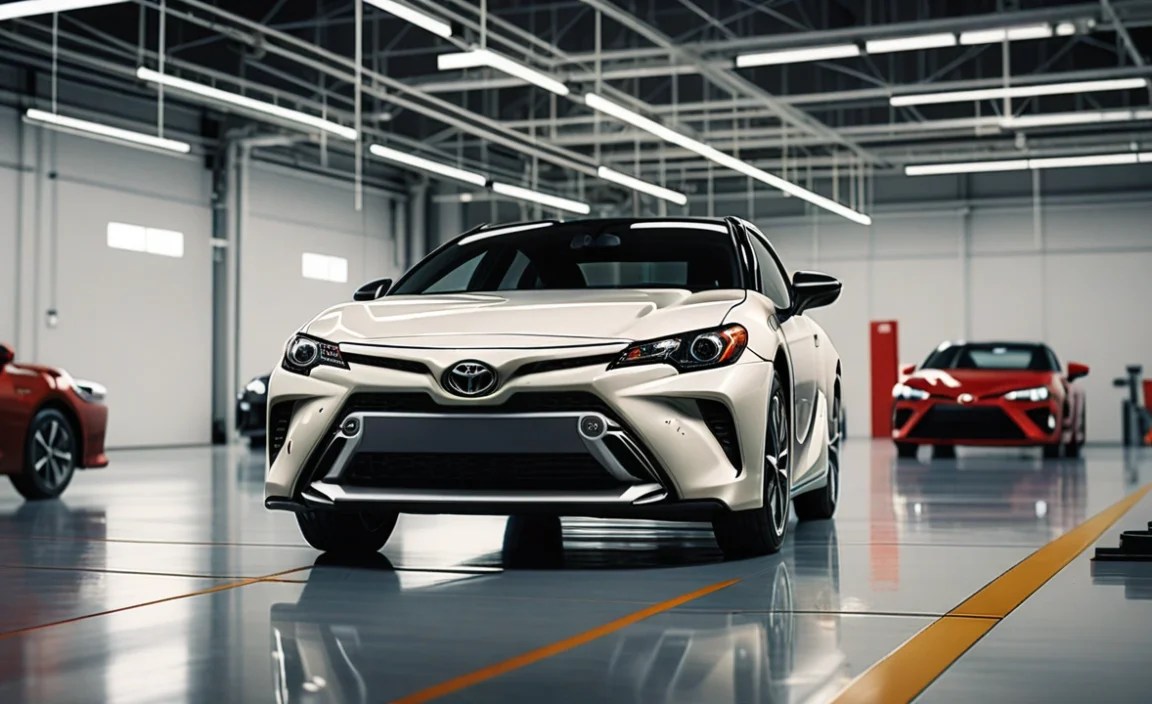
Toyota cars are famous for their reliability. Many people think they last forever. However, even Toyotas can have problems. Some older Toyota models have known reliability issues. These can include things like rust. Rust can form on the frame or body. Electrical problems can also occur. Sometimes, sensors might fail. These sensors control things like the engine or brakes. It is important to know about these issues. Knowing about them helps owners take care of their cars. It also helps them fix problems early. This can prevent bigger problems later. Regular maintenance is key. Keeping up with oil changes and tune-ups can help. Checking for rust and fixing it early is also important. By doing these things, owners can keep their Toyotas running well for many years.
- Rust can be a problem on older cars.
- Electrical issues sometimes happen.
- Sensors might need to be replaced.
- Regular oil changes are important.
- Tune-ups help keep the engine running well.
- Check for rust and fix it quickly.
Thinking about buying an older Toyota? It is a good idea to have it checked out. A mechanic can look for potential problems. They can check for rust or electrical issues. They can also check the sensors. This can help you avoid surprises later. It is also wise to keep up with maintenance. Even if the car seems fine, regular check-ups are important. These check-ups can catch small problems before they become big ones. Taking good care of your Toyota can help it last a long time. It can also save you money on repairs in the long run. Knowing about Toyota models reliability issues is a big help. It lets you be ready and take good care of your car.
Fun Fact or Stat: Did you know that Toyota is often ranked as one of the most reliable car brands in the world? This is because they focus on making cars that last a long time!
What Are Common Rust Spots?
Rust is a big problem for older cars. Especially in places with snow and salt. Salt can speed up the rusting process. Toyota cars are not immune to rust. Some common rust spots include the frame. The frame is the metal structure under the car. It holds everything together. Rocker panels are another common spot. These are the panels below the doors. Wheel wells can also rust. These are the areas around the tires. Checking these areas regularly is important. If you see rust, try to fix it quickly. You can use a rust converter or have it repaired. This can stop the rust from spreading. Preventing rust is better than fixing it. Washing your car often can help. Especially in the winter. This washes away the salt and dirt that cause rust.
How Do Electrical Problems Show Up?
Electrical problems can be tricky. They can show up in different ways. Sometimes, the lights might flicker. Other times, the radio might not work. The car might even have trouble starting. These can all be signs of electrical issues. Fuses can blow. Wires can become loose or corroded. Sensors can also fail. If you notice any of these problems, get your car checked. A mechanic can diagnose the issue. They can test the electrical system. They can also replace any faulty parts. Ignoring electrical problems can be dangerous. They can even cause a fire. So, it is best to get them fixed right away. Keeping your car’s electrical system in good shape is important. It helps keep you safe on the road.
Why Are Sensors Important?
Sensors are like the car’s eyes and ears. They monitor everything. They monitor the engine, brakes, and other systems. They send information to the car’s computer. This helps the car run smoothly. If a sensor fails, it can cause problems. The engine might not run right. The brakes might not work properly. The car might even stall. Replacing faulty sensors is important. It can prevent bigger problems. It can also keep you safe. There are many different types of sensors. Some monitor the engine’s temperature. Others monitor the brakes. Still others monitor the air flow. All of these sensors work together. They help the car run efficiently and safely. So, it is important to keep them in good condition.
Toyota Reliability: Engine Issues

The engine is the heart of your car. It makes everything go. Toyota engines are usually very reliable. But, like any engine, they can have problems. Some common engine issues include oil leaks. Oil leaks can cause the engine to run low on oil. This can damage the engine. Another issue is overheating. Overheating can happen if the cooling system is not working right. This can also damage the engine. Sometimes, the engine might misfire. This means that one of the cylinders is not firing properly. This can cause the engine to run rough. Regular maintenance can help prevent these problems. Changing the oil regularly is important. So is keeping the cooling system in good shape. If you notice any engine problems, get them checked out quickly.
- Oil leaks can damage the engine.
- Overheating is bad for the engine.
- Misfires can make the engine run rough.
- Change the oil regularly.
- Keep the cooling system in good shape.
- Get engine problems checked quickly.
One way to keep your Toyota engine running well is to listen to it. Pay attention to any strange noises. Knocking, hissing, or clicking sounds can be signs of a problem. Also, watch for warning lights on the dashboard. The check engine light can come on for many reasons. It is best to get it checked out. Ignoring these signs can lead to bigger problems. It can even cause the engine to fail. This can be very expensive to fix. So, it is better to be safe than sorry. Take your car to a mechanic if you notice anything unusual. They can diagnose the problem and fix it. This can help you keep your Toyota engine running smoothly for many years. Remember, regular care is key to avoiding Toyota models reliability issues.
Fun Fact or Stat: Many Toyota engines are designed to last for over 200,000 miles! This is why Toyotas are known for being dependable.
What Does an Oil Leak Look Like?
An oil leak can be messy. It can also be hard to spot at first. You might notice oil spots on your driveway. Or, you might smell burning oil while driving. These are both signs of an oil leak. Look under the car. See if you can see any oil dripping. Check the engine for oil stains. Oil leaks can come from different places. They can come from the oil pan. They can also come from the valve cover. Sometimes, they come from the oil filter. Fixing oil leaks is important. They can cause the engine to run low on oil. This can damage the engine. A mechanic can find the leak and fix it. They can replace gaskets or seals. This will stop the leak and protect your engine.
Why Does Overheating Happen?
Overheating is a serious problem. It can damage your engine quickly. It happens when the engine gets too hot. This can be caused by several things. The cooling system might not be working right. The radiator might be clogged. The thermostat might be stuck. The water pump might be failing. Low coolant levels can also cause overheating. If you see the temperature gauge rising, pull over. Let the engine cool down before driving again. Check the coolant level. If it is low, add more coolant. Take your car to a mechanic to get it checked. They can find the cause of the overheating. They can also fix it. This will prevent further damage to your engine.
What Does a Misfire Feel Like?
A misfire can feel like the engine is shaking. It can also feel like the car is losing power. The engine might run rough. It might also make a popping sound. Misfires can be caused by several things. Bad spark plugs can cause misfires. So can faulty ignition coils. Sometimes, a vacuum leak can cause a misfire. If you feel a misfire, get your car checked. A mechanic can diagnose the problem. They can replace the spark plugs or ignition coils. They can also fix any vacuum leaks. This will make the engine run smoothly again. Ignoring misfires can damage the engine. So, it is best to get them fixed quickly.
Transmission Reliability in Toyota Cars

The transmission is what shifts gears. It helps the car go faster or slower. Toyota transmissions are usually very reliable. But, like any part of the car, they can have problems. Some common transmission issues include slipping gears. Slipping gears means the car changes gears on its own. This can be dangerous. Another issue is rough shifting. This means the car shifts gears hard. It can feel jerky. Sometimes, the transmission might not shift at all. This can leave you stuck. Regular maintenance can help prevent these problems. Changing the transmission fluid is important. This keeps the transmission lubricated. If you notice any transmission problems, get them checked out quickly.
- Slipping gears can be dangerous.
- Rough shifting can feel jerky.
- The transmission might not shift.
- Change the transmission fluid regularly.
- Get transmission problems checked quickly.
- Avoid harsh acceleration.
Taking care of your Toyota transmission is important. Avoid harsh acceleration. This puts extra stress on the transmission. Also, avoid sudden stops. These can also damage the transmission. If you tow a trailer, be sure to use the right gear. This will help prevent overheating. Check the transmission fluid regularly. If it looks dirty or smells burnt, change it. A mechanic can do this for you. They can also check for leaks. Keeping the transmission in good shape can help it last a long time. It can also prevent costly repairs. Remember, addressing potential Toyota models reliability issues early on is key to vehicle longevity.
Fun Fact or Stat: Some Toyota transmissions are designed to last the lifetime of the car! This means they may never need to be replaced.
What Does Slipping Gears Feel Like?
Slipping gears can feel strange. It can feel like the car is not responding. You might press the gas pedal. But the car does not go faster right away. The engine might rev up. But the car does not accelerate. This is a sign that the gears are slipping. It is important to get this checked. Slipping gears can be dangerous. It can cause you to lose control of the car. A mechanic can diagnose the problem. They can repair or replace the transmission. This will make the car safe to drive again. Ignoring slipping gears can make the problem worse. It can also damage the transmission further.
What Causes Rough Shifting?
Rough shifting can be uncomfortable. It can feel like the car is jerking. The shifts might be hard and clunky. This can be caused by several things. Low transmission fluid can cause rough shifting. So can old or dirty transmission fluid. Sometimes, a faulty sensor can cause rough shifting. A mechanic can check the transmission fluid. They can also check the sensors. They can replace the fluid or sensors if needed. This will make the car shift smoothly again. Regular transmission service can prevent rough shifting. It can also extend the life of the transmission.
Why Is Transmission Fluid Important?
Transmission fluid is like oil for the transmission. It keeps the parts lubricated. This prevents them from wearing out. It also helps keep the transmission cool. Low or dirty transmission fluid can cause problems. It can cause rough shifting. It can also cause the transmission to overheat. This can damage the transmission. Checking the transmission fluid regularly is important. If it looks dirty or smells burnt, change it. A mechanic can do this for you. They can also check for leaks. Keeping the transmission fluid clean and full can help the transmission last longer.
Brake System Reliability in Toyota Cars

The brakes are very important for safety. They help you stop the car. Toyota brakes are usually very reliable. But, like any brake system, they can have problems. Some common brake issues include worn brake pads. Brake pads wear down over time. This means they need to be replaced. Another issue is warped rotors. Warped rotors can cause the brakes to vibrate. Sometimes, the brake lines can leak. This can cause the brakes to fail. Regular maintenance can help prevent these problems. Checking the brake pads regularly is important. So is flushing the brake fluid. If you notice any brake problems, get them checked out quickly. These Toyota models reliability issues need urgent attention.
| Brake System Part | Common Issue | How to Prevent |
|---|---|---|
| Brake Pads | Worn down | Check regularly, replace when needed |
| Rotors | Warped | Avoid hard braking, check regularly |
| Brake Lines | Leaks | Check regularly, replace if damaged |
| Brake Fluid | Contaminated | Flush regularly |
- Worn brake pads need to be replaced.
- Warped rotors can cause vibration.
- Brake lines can leak and cause failure.
- Check the brake pads regularly.
- Flush the brake fluid regularly.
- Get brake problems checked quickly.
One way to keep your Toyota brakes in good shape is to drive carefully. Avoid hard braking. This wears down the brake pads faster. Also, avoid driving through deep water. This can damage the brake rotors. If you hear squealing or grinding noises when braking, get your brakes checked. This can be a sign of worn brake pads. It is important to keep your brakes in good working order. This helps keep you safe on the road. Remember, regular maintenance is key to avoiding brake problems. Always prioritize safety when it comes to your car’s brakes. This helps ensure your Toyota’s reliability.
Fun Fact or Stat: Toyota uses advanced braking systems in many of their cars! These systems can help prevent accidents.
What Does Worn Brake Pads Sound Like?
Worn brake pads can make a squealing noise. This noise happens when you press the brakes. It is a warning sign that the brake pads are getting thin. Ignoring this noise can be dangerous. The brake pads can wear down completely. This can damage the rotors. It can also make it harder to stop the car. If you hear squealing brakes, get them checked. A mechanic can replace the brake pads. This will make the car safe to drive again. Replacing brake pads is a common repair. It is important to do it regularly to keep your brakes working well.
What Causes Warped Rotors?
Warped rotors can cause the brakes to vibrate. This vibration happens when you press the brakes. It can feel like the steering wheel is shaking. Warped rotors can be caused by several things. Hard braking can cause rotors to warp. So can overheating. Sometimes, rust can cause rotors to warp. A mechanic can check the rotors. They can measure the thickness of the rotors. If they are warped, they need to be replaced. Replacing warped rotors will make the brakes smooth again. It will also improve the car’s stopping power.
Why Is Brake Fluid Important?
Brake fluid is important for the brake system. It helps the brakes work properly. It transmits the pressure from the brake pedal to the brakes. This makes the car stop. Brake fluid can absorb moisture over time. This moisture can cause the brake lines to rust. It can also make the brakes less effective. Flushing the brake fluid regularly is important. This removes the old fluid and replaces it with new fluid. This helps keep the brake system in good condition. A mechanic can flush the brake fluid for you. They can also check for leaks in the brake lines.
Suspension System: Toyota Reliability

The suspension system helps the car ride smoothly. It absorbs bumps in the road. Toyota suspension systems are usually reliable. But, like any suspension system, they can have problems. Some common suspension issues include worn shocks or struts. Shocks and struts wear out over time. This can cause the car to bounce. Another issue is broken springs. Broken springs can cause the car to sag. Sometimes, the ball joints can wear out. Worn ball joints can cause the car to wander. Regular maintenance can help prevent these problems. Checking the shocks and struts regularly is important. So is inspecting the springs and ball joints. If you notice any suspension problems, get them checked out quickly. Addressing these Toyota models reliability issues prevents further damage.
- Worn shocks or struts can cause bouncing.
- Broken springs can cause sagging.
- Worn ball joints can cause wandering.
- Check the shocks and struts regularly.
- Inspect the springs and ball joints.
- Get suspension problems checked quickly.
One way to keep your Toyota suspension in good shape is to avoid potholes. Potholes can damage the suspension system. Also, avoid driving on rough roads. These can also wear down the suspension. If you notice the car bouncing or swaying, get the suspension checked. This can be a sign of worn shocks or struts. It is important to keep your suspension in good working order. This helps keep the car riding smoothly. Remember, regular maintenance is key to avoiding suspension problems. Taking preventative measures is key to maintaining the Toyota’s reliability.
Fun Fact or Stat: Toyota uses different types of suspension systems in their cars! Some are designed for comfort, while others are designed for performance.
What Does Worn Shocks Feel Like?
Worn shocks can make the car bounce. This bouncing happens after you go over a bump. The car might continue to bounce several times. This is a sign that the shocks are worn out. Worn shocks can also make the car sway. This swaying happens when you turn corners. The car might feel unstable. If you notice these problems, get the shocks checked. A mechanic can replace the shocks. This will make the car ride smoothly again. Replacing shocks is a common repair. It is important to do it regularly to keep your suspension working well.
What Causes Broken Springs?
Broken springs can cause the car to sag. This sagging happens on one side of the car. The car might look lower on that side. Broken springs can be caused by several things. Hitting a large pothole can break a spring. So can carrying heavy loads. Sometimes, rust can weaken a spring. A mechanic can check the springs. They can replace the broken spring. This will make the car sit level again. Replacing broken springs will also improve the car’s ride quality. It will make the car more stable.
Why Are Ball Joints Important?
Ball joints connect the suspension to the wheels. They allow the wheels to move up and down. They also allow the wheels to turn. Worn ball joints can cause the car to wander. This wandering happens when you are driving straight. The car might pull to one side. Worn ball joints can also make a clunking noise. This noise happens when you go over bumps. A mechanic can check the ball joints. They can replace the worn ball joints. This will make the car steer properly again. Replacing ball joints is important for safety. It helps keep the car under control.
Electrical System: Toyota Reliability
The electrical system powers everything in the car. It powers the lights, radio, and engine. Toyota electrical systems are generally reliable. But, like any electrical system, they can have problems. Some common electrical issues include a dead battery. A dead battery can prevent the car from starting. Another issue is a faulty alternator. A faulty alternator can cause the battery to die. Sometimes, the wiring can become damaged. Damaged wiring can cause all sorts of problems. Regular maintenance can help prevent these problems. Checking the battery regularly is important. So is inspecting the wiring. If you notice any electrical problems, get them checked out quickly. Many Toyota models reliability issues stem from electrical problems.
- A dead battery can prevent starting.
- A faulty alternator can kill the battery.
- Damaged wiring can cause many problems.
- Check the battery regularly.
- Inspect the wiring for damage.
- Get electrical problems checked quickly.
One way to keep your Toyota electrical system in good shape is to turn off the lights. Do this when you are not using them. Leaving the lights on can drain the battery. Also, avoid overloading the electrical system. This means plugging in too many devices. If you notice the lights dimming or flickering, get the electrical system checked. This can be a sign of a problem. It is important to keep your electrical system in good working order. This helps keep the car running smoothly. Remember, regular maintenance is key to avoiding electrical problems. Consistent care ensures greater Toyota reliability.
Fun Fact or Stat: Toyota is developing new electric cars! These cars will rely even more on the electrical system.
What Causes a Dead Battery?
A dead battery can be frustrating. It can prevent you from starting the car. Dead batteries can be caused by several things. Leaving the lights on can drain the battery. So can a faulty alternator. Sometimes, the battery is just old. Batteries wear out over time. A mechanic can check the battery. They can test its voltage. If the battery is dead, they can replace it. Replacing a dead battery is a common repair. It is important to do it when needed. A good battery will keep your car starting reliably.
What Does a Faulty Alternator Do?
A faulty alternator can cause the battery to die. The alternator charges the battery while the car is running. If the alternator is not working right, it will not charge the battery. This can cause the battery to drain. Eventually, the battery will die. Signs of a faulty alternator include dimming lights. Also, the car might have trouble starting. A mechanic can test the alternator. If it is faulty, they can replace it. Replacing the alternator will keep the battery charged. It will also prevent the car from stalling.
Why Is Wiring Important?
Wiring connects all the electrical components in the car. It carries electricity to the lights, radio, and engine. Damaged wiring can cause all sorts of problems. It can cause the lights to flicker. It can also cause the radio to stop working. Sometimes, damaged wiring can cause a fire. Inspecting the wiring regularly is important. Look for cracks or breaks in the insulation. If you see any damage, get it repaired. A mechanic can repair or replace damaged wiring. This will keep the electrical system working safely. It will also prevent electrical problems.
Summary
Toyota cars are known for being very reliable. They often last a long time. However, even Toyotas can have problems. Older Toyota models can have reliability issues. These can include rust, electrical problems, and engine issues. The transmission and brake systems can also have problems. Regular maintenance can help prevent these problems. This includes changing the oil, flushing the fluids, and checking the brakes. It also includes inspecting the wiring and suspension. Taking care of your Toyota can help it last for many years. It can also save you money on repairs. Knowing about potential problems is helpful.
Conclusion
Toyota cars are a popular choice. This is because they are often reliable. But, it is important to remember that all cars can have problems. By knowing about potential Toyota models reliability issues, you can be prepared. You can also take steps to prevent problems. Regular maintenance is key to keeping your Toyota running smoothly. Taking care of your car will help it last longer. This can save you money in the long run. Drive safely and enjoy your Toyota!
Frequently Asked Questions
Question No 1: Are Toyota cars really that reliable?
Answer: Yes, Toyota cars are generally known for being very reliable. They often score high in reliability surveys. Many owners report that their Toyotas last for many years. They also require fewer repairs than other cars. This is due to Toyota’s focus on quality and durability. They use high-quality parts. They also have strict manufacturing processes. This helps ensure that their cars are built to last. However, like all cars, Toyotas can still have problems. But overall, they are considered to be very reliable.
Question No 2: What are some of the most reliable Toyota models?
Answer: Several Toyota models are known for their reliability. These include the Toyota Camry. The Toyota Corolla is also very reliable. The Toyota Prius is a hybrid car that is also known for its reliability. The Toyota Tacoma is a reliable truck. The Toyota 4Runner is a reliable SUV. These models have a reputation for lasting a long time. They also require fewer repairs than other cars. This makes them a good choice for people who want a reliable car. However, keep in mind that Toyota models reliability issues can still occur, especially in older vehicles.
Question No 3: How can I keep my Toyota running reliably?
Answer: Regular maintenance is key to keeping your Toyota running reliably. This includes changing the oil regularly. It also includes flushing the fluids. You should also check the brakes and tires regularly. Inspect the wiring and suspension. Following the maintenance schedule in your owner’s manual is important. Also, pay attention to any warning signs. If you notice any problems, get them checked out quickly. Addressing small problems early can prevent bigger problems later. Driving carefully can also help extend the life of your Toyota. Knowing about common Toyota models reliability issues can help you stay proactive.
Question No 4: Are hybrid Toyotas as reliable as gas-powered Toyotas?
Answer: Yes, hybrid Toyotas are generally considered to be as reliable as gas-powered Toyotas. The Toyota Prius, for example, has a very good reputation for reliability. Hybrid cars have more complex systems. They have both a gas engine and an electric motor. But Toyota has been making hybrid cars for many years. They have a lot of experience with this technology. This helps them build reliable hybrid cars. The batteries in hybrid cars can last a long time. They are also covered by a warranty. So, you can expect a hybrid Toyota to be just as reliable as a gas-powered Toyota. Just remember to address any potential Toyota models reliability issues promptly.
Question No 5: What should I do if my Toyota has a reliability problem?
Answer: If your Toyota has a reliability problem, the first thing to do is to get it checked out by a qualified mechanic. They can diagnose the problem and recommend a solution. It is important to choose a mechanic who is familiar with Toyotas. They will know how to properly diagnose and repair the car. Be sure to get an estimate before any work is done. This will help you avoid surprises. Also, keep records of all repairs. This can be helpful if you have any warranty claims. Addressing Toyota models reliability issues early can prevent further damage.
Question No 6: Do newer Toyota models have fewer reliability issues than older models?
Answer: Generally, newer Toyota models have fewer reliability issues than older models. This is because car technology improves over time. Newer cars have more advanced features. They also have more sophisticated engineering. Toyota also learns from past problems. They make changes to improve the reliability of their cars. However, even newer cars can still have problems. Regular maintenance is still important. Taking care of your car will help it last longer. Knowing about potential Toyota models reliability issues, regardless of the car’s age, will ensure that you are prepared for any potential repair.